
What Is Addiction Recovery — and Is It Really Possible?
Addiction recovery is the ongoing process of improving your health, reclaiming control of your life, and reaching your full potential after struggling with substance use or mental health challenges.
Here’s what you need to know right now:
- Recovery is real and common. Over 50 million American adults consider themselves to be in recovery from a substance use or mental health problem.
- It is not a cure — it is managed, like diabetes or high blood pressure. But it is absolutely treatable.
- Recovery looks different for everyone. It may involve therapy, medication, peer support, lifestyle changes, or all of the above.
- Relapse does not mean failure. It signals that treatment needs to be adjusted — just like with any other chronic illness.
- Most people need 2 to 5 years of sustained effort to reach a stable, lasting recovery.
Whether you’re struggling yourself or supporting someone you love, the path forward exists — and millions of people are already walking it.
If you’re a working professional in Houston balancing a demanding career with a growing dependence on alcohol or drugs, you already know how isolating that feels. You’re not broken. You’re not weak. What you’re dealing with is a medical condition — one that responds to the right support and treatment.
This guide will walk you through everything: the science behind addiction, the stages of recovery, proven treatments, relapse prevention, and the resources available to help you build a life you’re proud of.
Understanding the Science of Addiction Recovery
When we talk about addiction recovery, we aren’t just talking about “willpower.” We are talking about biology. Modern science, supported by the National Institute on Drug Abuse (NIDA), defines addiction as a chronic, relapsing brain disease.
When a person uses substances, the brain’s reward system is essentially hijacked. Addictive drugs release dopamine—the “feel-good” chemical—much faster and in significantly higher amounts than natural rewards like food or social interaction. Over time, the brain adapts by reducing the number of dopamine receptors. This leads to tolerance (needing more of the drug to feel the same effect) and a decrease in “liking” the substance even as the “wanting” or craving increases.
The Brain’s Ability to Heal
The good news is that the brain possesses incredible neuroplasticity. This is the brain’s ability to reorganize itself by forming new neural connections. Research shows that once a person stops using substances, the brain begins a process of repair.
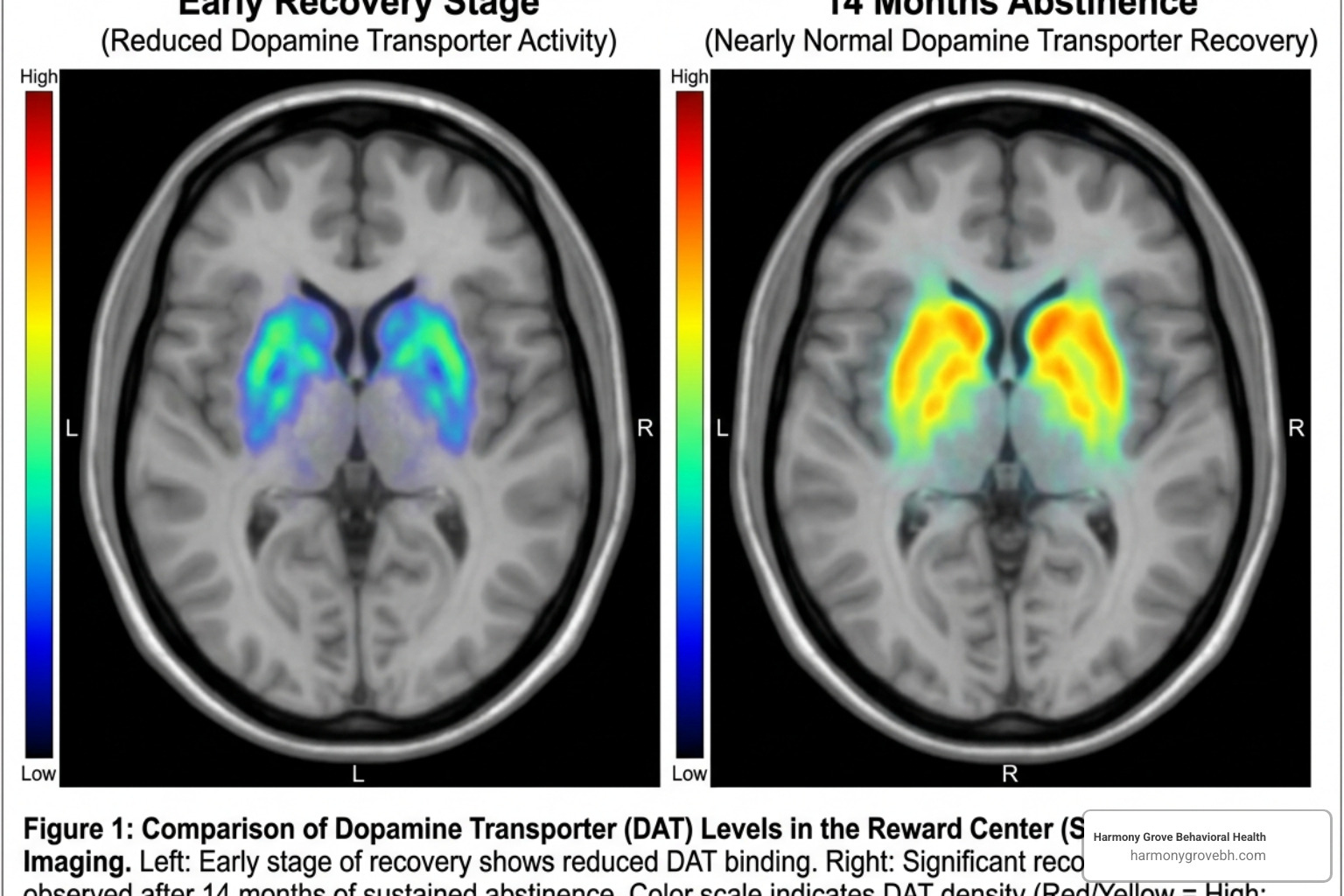
For example, studies on individuals recovering from methamphetamine use show that after 14 months of abstinence, dopamine transporter levels in the reward center return to nearly normal functioning. This means that while the signs and causes of drug addiction are deeply rooted in brain chemistry, it is entirely possible to rewire your brain from addiction over time.
The prefrontal cortex, which handles impulse control and decision-making, is often the hardest hit during active use. Recovery involves strengthening this area through therapy and healthy habits so that you can regain the “brakes” needed to manage cravings and stress.
The Five Stages of the Recovery Journey
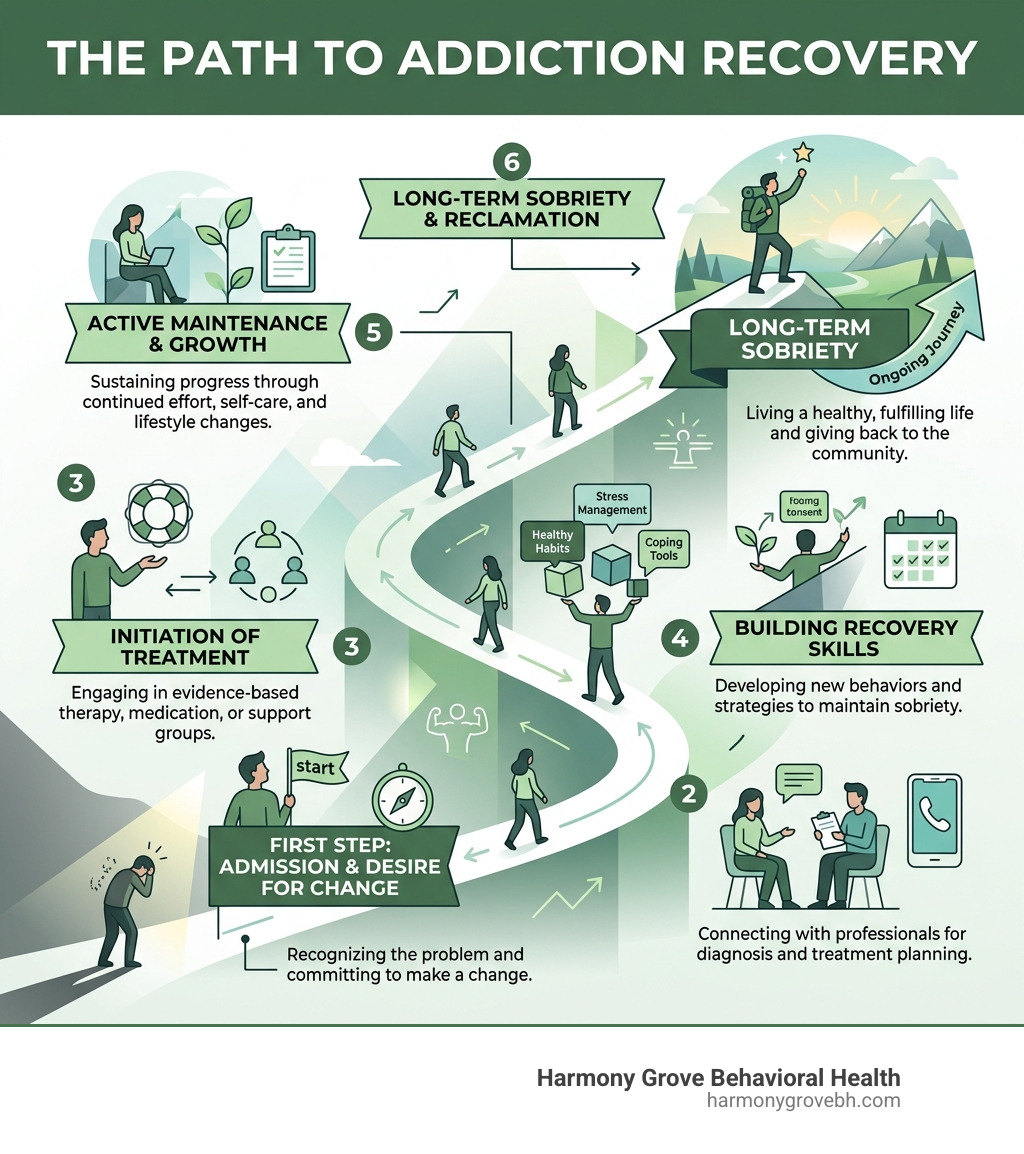
Recovery isn’t an overnight event; it’s a process. Most experts use the Transtheoretical Model to describe the five stages of change. Understanding where you or a loved one sits in this cycle helps set realistic expectations.
- Precontemplation: At this stage, a person may not yet recognize that their substance use is a problem. They might be defensive or justify their behavior.
- Contemplation: This is the “ambivalence” stage. The individual starts to weigh the pros and cons of quitting. They know there’s a problem but aren’t quite ready to commit to change.
- Preparation: Here, the person starts making a plan. They might look up Houston outpatient programs, talk to a doctor, or set a “quit date.”
- Action: This is the “doing” phase. The person enters treatment, stops using substances, and begins the hard work of changing their environment and habits.
- Maintenance: This stage begins after about six months of sobriety. The goal is to prevent relapse and solidify the new, healthy lifestyle.
At Harmony Grove Behavioral Health, our philosophy is centered on meeting you exactly where you are in these stages. As our founder’s message emphasizes, the journey is rarely linear, and moving back and forth between stages is a normal part of the learning process.
Navigating the Action Stage of Addiction Recovery
The Action stage is often the most intense. It requires a complete overhaul of daily routines and the development of new coping strategies. During this time, many people benefit from professional clinical modalities such as Cognitive Behavioral Therapy (CBT) or Dialectical Behavior Therapy (DBT). These therapies help you identify the “why” behind your use and provide tools to handle triggers without reaching for a substance.
If you are ready to move into the Action stage, understanding your admissions and insurance options is a practical first step to getting the professional support you need.
Sustaining Long-Term Addiction Recovery
While the first few months are critical, statistics show that for most people, it takes 2 to 5 years of abstinence to reach a point where the risk of returning to addictive behavior drops significantly. This is why we view recovery as a lifestyle adoption rather than a temporary fix.
Sustaining this long-term change often involves recovery coaching, which provides one-on-one accountability. Making a clear choice for sobriety every day becomes easier as you build “recovery capital”—the internal and external resources (like a stable job, supportive friends, and good health) that make a sober life more attractive than an addicted one.
Evidence-Based Treatment and Support Systems
There is no “one-size-fits-all” for addiction recovery. Effective treatment must address the whole person, not just the drug use. This includes medical, psychological, social, and even legal needs.
| Level of Care | Description | Best For |
|---|---|---|
| Medical Detox | Supervised withdrawal in a medical setting. | Severe physical dependence (Alcohol, Benzodiazepines). |
| Inpatient/Residential | 24/7 care in a substance-free facility. | Long-term SUD or unstable living environments. |
| Partial Hospitalization (PHP) | 20+ hours of therapy per week while living at home. | Transitioning from inpatient or high-intensity needs. |
| Intensive Outpatient (IOP) | 9-15 hours of therapy per week. | Professionals balancing work/family in Houston. |
| Outpatient Care | Weekly individual or group therapy sessions. | Mild SUD or long-term maintenance/aftercare. |
Medication-Assisted Treatment (MAT)
For many, especially those struggling with opioids or alcohol, medication can be a literal lifesaver. MAT uses FDA-approved medications (like buprenorphine or naltrexone) to normalize brain chemistry, block the euphoric effects of substances, and relieve physiological cravings. When combined with behavioral therapy, MAT is considered the “gold standard” for certain types of addiction.
The Role of Peer Support in Addiction Recovery
Professional treatment provides the tools, but peer support provides the community. Groups like Alcoholics Anonymous (AA) and Narcotics Anonymous (NA) offer a 24/7 network of people who truly understand the struggle.
- 12-Step Programs: Focus on spiritual principles and peer sponsorship.
- SMART Recovery: A secular alternative focusing on self-empowerment and cognitive tools.
- Faith-Based Programs: Integrate recovery with religious beliefs and spiritual healing.
We believe that recovery is best sustained with support, which is why we incorporate various groups into our treatment plans. Having a tribe of people who have “been there” reduces the shame and isolation that often fuels addiction.
Relapse Prevention and Holistic Maintenance
Relapse is a common part of the journey. In fact, relapse rates for substance use disorders (40% to 60%) are very similar to those for other chronic illnesses like asthma or hypertension. Instead of seeing a relapse as a “failure,” we view it as a signal to adjust the treatment plan.
Managing Triggers and Stress
Long-term sobriety requires more than just “not drinking” or “not using.” It requires a holistic approach to wellness. Triggers—such as old friends, specific locations, or high-stress situations at work—can trigger the brain’s “wanting” system even years later.
Strategies for holistic maintenance include:
- Physical Activity: Exercise can actually help repair the brain’s reward system and improve mood.
- Mindfulness and Meditation: These practices help strengthen the prefrontal cortex, improving your ability to pause before reacting to a craving.
- Nutrition and Sleep: A healthy body supports a healthy mind.
- Practical Steps: Learning how to stop drinking alcohol involves practical changes, like avoiding certain social circles or finding new hobbies.
An aftercare community is vital for this phase. It provides a “safety net” of ongoing therapy, alumni events, and check-ins that keep recovery at the forefront of your mind.
Frequently Asked Questions about Recovery
Is addiction curable or just manageable?
Addiction is not “curable” in the sense that you can go back to using substances “normally.” However, it is highly manageable. Much like a person with diabetes manages their blood sugar through diet and medication, a person in addiction recovery manages their condition through lifestyle choices and support systems. Many people achieve “remission,” where they no longer meet the clinical criteria for a substance use disorder and live productive, fulfilling lives. Who we treat at Harmony Grove includes individuals at every stage of this management process.
How long does the brain take to recover?
While every person is different, significant cognitive and chemical healing usually happens within the first 14 months of abstinence. Research on methamphetamine users showed near-normal dopamine transporter density after this period. Cognitive functions like memory, attention, and impulse control often show marked improvement within the first year, though some subtle changes can continue for several years.
What support is available for families?
Addiction is often called a “family disease” because it impacts everyone in the household. Family members often develop their own unhealthy coping mechanisms, such as enabling or hyper-vigilance.
- Al-Anon and Nar-Anon: Peer support groups specifically for the loved ones of those with addiction.
- Family Therapy: Helps address attachment styles and addiction to rebuild trust and communication.
- Trauma-Informed Care: Understanding trauma-informed care best practices helps families create a safe environment that supports long-term healing for everyone involved.
Conclusion: Embracing a Life of Sobriety
Recovery is not just about what you are giving up; it’s about what you are gaining. It is a process of trading a life of isolation and chaos for one of connection and purpose.
At Harmony Grove Behavioral Health, we are proud to serve the Houston community from our Mangum Road location. Our approach to addiction recovery is holistic, trauma-informed, and deeply rooted in the belief that everyone deserves a chance to heal. Whether you are looking for intensive outpatient support or a community that will walk with you through lifelong aftercare, we are here to help.
So, what does life look like after addiction? It looks like waking up without a hangover, performing at your peak in your career, and being truly present for your family. It looks like freedom.
If you’re ready to start your own addiction recovery journey, the first step is simply reaching out. We can help you navigate the science, the stages, and the strategies to build a lasting sober life.
Need Immediate Help?
- Houston Local Resources: SAMHSA Treatment Locator
- Harmony Grove Behavioral Health: 2855 Mangum Road Suite A350, Houston, TX. Contact Us Today